Must-Have Concrete Services Every General Contractor Should Deliver
General contractors hold an important position in construction, particularly when it comes to concrete services. Fundamental services like foundational concrete work and flatwork ensure structural soundness. Additionally, ornamental concrete treatments can enhance aesthetic appeal. However, preservation and creative approaches are just as essential for longevity and sustainability. Understanding these key services can greatly impact project outcomes. What targeted methods can contractors adopt to enhance their concrete solutions?
Fundamental Concrete Foundations for All Projects
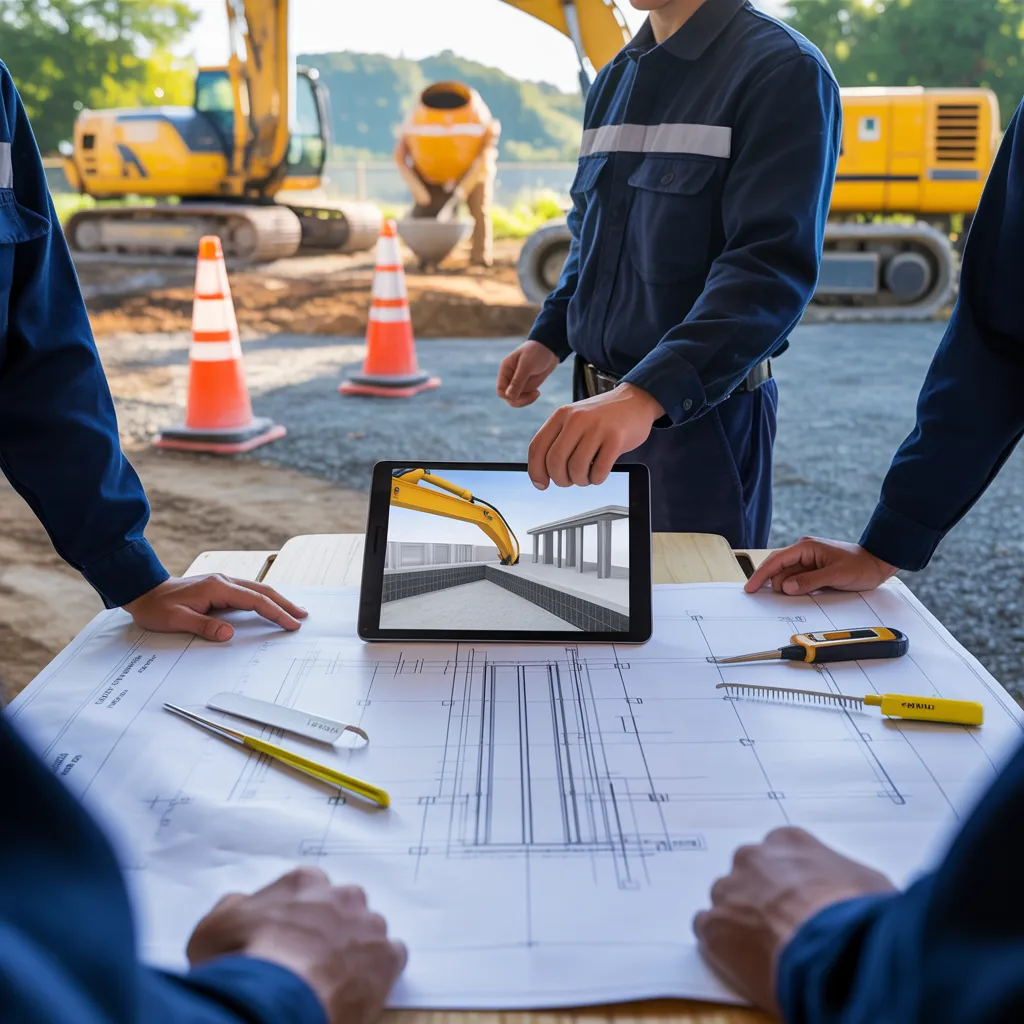
A solid foundation is vital for any construction project, serving as the cornerstone of structural integrity. It offers stability, reduces settlement, and ensures the longevity of the structure. Proper foundation design commences with an assessment of soil conditions, load requirements, and environmental factors. General contractors must focus on the selection of superior materials, as they directly influence the durability and performance of the foundation. The choice between various foundation types—such as slab, pier, or crawl space—depends on the specific project needs and local building codes. Additionally, meticulous attention to detail during the pouring and curing process is critical to avoid future complications. Effective coordination with engineers and architects during the planning phase strengthens the foundation's alignment with overall project goals. By focusing on these aspects, general contractors can deliver a robust foundation that supports the entire structure, protecting the investment and ensuring safety for years to come.
Practical copyrightples of Versatile Concrete Flatwork Uses
A variety of concrete flatwork applications highlight its flexibility in numerous construction settings. One prominent use is in the creation of driveways, providing durable and long-lasting surfaces that withstand heavy loads. Walkways and sidewalks serve as an additional critical application, ensuring safe foot traffic in residential and commercial environments. Concrete patios enhance outdoor living spaces, allowing homeowners to enjoy gatherings and leisure activities.
Furthermore, industrial settings benefit from concrete flooring, which sustains machinery and substantial traffic while continuing to be effortless to maintain. Car parks also take advantage of concrete flatwork, ensuring a robust surface for vehicles. Furthermore, pool areas made with concrete provide a slip-resistant area that enhances safety around swimming pools.
These wide-ranging applications highlight how concrete flatwork fulfills essential purposes while acting as a cornerstone of many construction projects, making it an essential service for construction contractors.
Decorative Concrete Treatments That Revitalize Spaces
Decorative concrete surfaces provide contractors a variety of choices to improve the visual appeal of diverse environments. Stamped concrete designs, polished surfaces, and stained options individually deliver unique textures and colors that can remarkably enhance surroundings. These finishes not only elevate the visual interest but also increase the overall versatility of concrete applications.
Stamped Concrete Patterns
How can stamped concrete designs elevate the aesthetic appeal of outdoor and indoor spaces? These versatile surfaces mimic natural materials like stone, tile, or wood, providing a sophisticated look without the high cost. Through the use of diverse patterns, colors, and textures, stamped concrete can beautify patios, walkways, and interior floors alike, converting everyday spaces into visually captivating settings.
Stamped concrete specialists working with general contractors can cater to diverse client preferences, ensuring each project reflects individual style. The durability and low maintenance of stamped concrete add to its growing popularity, making it an ideal option for numerous uses. At their core, stamped concrete designs represent a reliable approach for improving the aesthetic appeal and practicality of residential and commercial properties.
Finished Concrete Surfaces
Among the many flooring choices on the market, polished concrete stands out as an exceptional solution for both residential and commercial spaces. Such surfaces deliver a clean, modern appearance, enhancing the overall design and functionality of any area. The process involves grinding and polishing the concrete to achieve a high-gloss finish, which not only elevates visual appeal but also improves durability. Polished concrete repels stains and spills effectively, rendering it a highly practical solution for busy environments. Furthermore, it bounces light, contributing to energy efficiency by reducing the need for artificial lighting. As an adaptable flooring option, polished concrete can be customized with various aggregates and finishes, permitting general contractors to meet diverse client expectations while producing superior results.
Stained Concrete Choices
What solutions are there for upgrading concrete visual appeal? Stained concrete delivers a comprehensive method for turning ordinary surfaces into colorful, attention-grabbing designs. Experienced contractors can deliver a wide range of staining options, including acid stains, which react chemically with the concrete to produce rich, translucent colors, along with water-based stains that deliver an expanded range of colors and more straightforward application.
These stains are available in a variety of application methods, creating one-of-a-kind patterns and finishes that improve the overall look of indoor and outdoor environments. Moreover, integrating stains alongside other decorative techniques, including engraving or stamping, can result in complex and visually striking patterns. Through the use of stained concrete solutions, contractors are able to satisfy client expectations for unique, visually appealing spaces while guaranteeing long-lasting durability and minimal upkeep.
How to Keep Your Concrete in Great Shape
Preserving concrete necessitates a well-organized approach to safeguard its lasting quality and visual integrity. A regular upkeep plan, together with appropriate sealant applications, can significantly boost resilience. Additionally, handling repairs without delay is vital to stop further degradation and preserve the structural soundness of the material.
Ongoing Cleaning Schedule
A structured cleaning routine is vital to maintaining the quality and look of concrete surfaces. Regular maintenance helps to prevent the accumulation of dirt, grime, and stains that can degrade the material over time. Professionals should suggest pressure washing as the main approach for thorough cleaning, making sure debris is properly eliminated without harming the surface. Moreover, incorporating a mild detergent can boost cleaning performance, particularly in addressing oil or grease stains. The cleaning frequency may differ according to environmental conditions and use, yet a biannual schedule is generally considered optimal. Adding sweeping and targeted spot cleaning to regular upkeep can additionally prolong the lifespan of concrete surfaces. Ultimately, a dedicated cleaning regimen contributes greatly to the longevity and aesthetic appeal of concrete installations.
Proper Sealing Techniques
Effective sealing techniques are essential for protecting the lifespan and aesthetics of concrete surfaces. Professional contractors should highlight the necessity of choosing the appropriate sealant according to the surroundings and purpose of the concrete. Acrylic, epoxy, and polyurethane sealants each provide distinct advantages, including UV protection or adaptability. Installation should take place under favorable weather conditions, confirming that surfaces are thoroughly clean and dry. Adequate curing time is essential; a sealant must be permitted to cure following the manufacturer's instructions. Additionally, contractors must educate clients on maintenance practices, such as reapplication schedules, to optimize performance. Ultimately, implementing effective sealing strategies not only enhances aesthetic appeal but also protects concrete from moisture, stains, and other damaging elements.
Urgent Repairs Needed
Prompt repairs are crucial for maintaining concrete surfaces in optimal condition and avoiding additional deterioration. Cracks, chips, and surface damage can worsen into serious concerns if not treated in a timely manner. General contractors ought to regularly copyrightine concrete for indicators of deterioration, like color changes or uneven areas, which might point to deeper structural concerns. Using the right repair materials is essential; epoxy injections can effectively seal cracks, while resurfacing products can rehabilitate deteriorated areas. Moreover, prompt maintenance steps like sealing joints and applying protective treatments enhance long-term performance. By focusing on these repairs, contractors can improve both the visual appeal and the durability of the concrete, guaranteeing client satisfaction and reducing expensive future repairs. Routine care preserves the structural soundness and safety of concrete surfaces.
Progressive Concrete Solutions for Green Building Practices
As sustainability becomes a growing priority in the construction industry, new and inventive concrete solutions are surfacing to satisfy both ecological and structural needs. One key innovation is the formulation of green concrete mixes that make use of recycled components, such as crushed glass or industrial byproducts, reducing reliance on virgin resources. In addition, autonomous concrete repair technologies are rising in prominence, leveraging microbial agents or advanced polymers that mend fractures independently, consequently increasing the longevity of the material and cutting down Demolition on maintenance expenditures.
Furthermore, permeable concrete is being employed to handle stormwater efficiently, enabling water to filter through and minimize runoff. This not only helps prevent flooding but also supports groundwater restoration. Finally, the incorporation of carbon capture technologies in concrete manufacturing offers a promising pathway for decreasing greenhouse gas emissions. These groundbreaking methods not only improve structural durability but also support a more eco-friendly construction future, meeting the increasing need for environmentally conscious construction practices.
Selecting Quality Concrete: Essential Factors
How can contractors ensure they choose the best quality concrete for their projects? The answer involves understanding a number of essential factors. To begin, they should assess the concrete mix design, which must correspond with the particular demands of the project. This involves choosing the correct proportion of cement, aggregates, and water to ensure optimal strength and durability.
Moreover, construction professionals must copyrightine the origin of materials. Working with trusted suppliers who follow industry guidelines can considerably improve quality. Evaluating the concrete for uniformity and performance attributes, including compressive strength and workability, is also critical.
Furthermore, environmental variables throughout the curing process can alter the final outcome. It is essential for contractors to maintain correct curing procedures to extend the concrete's lifespan. Additionally, being well-versed in the latest concrete technology innovations helps contractors identify and implement superior solutions that elevate performance. Through attention to these key elements, contractors can be confident in offering high-quality concrete services.
Frequently Asked Questions
What Are the Standard Costs Related to Concrete Services?
Typical costs associated with concrete services vary widely, typically falling between $3 and $15 per square foot. Factors influencing pricing include location, labor, materials, project scope, and any supplementary features or finishes desired.
How Long Does It Take for Concrete to Cure Properly?
Concrete generally requires about 28 days to fully cure, reaching its maximum strength. However, initial set times can vary, often allowing for light foot traffic in as little as 24 to 48 hours following placement, subject to surrounding conditions.
What Are the Ecological Effects of Concrete Manufacturing?
Concrete production significantly impacts CO2 emissions, the exhaustion of raw materials, and the destruction of natural habitats. The harvesting of natural resources, high-energy production processes, and the logistics of material transport intensify sustainability issues, emphasizing the critical demand for sustainable practices in the sector.
Can Concrete Be Poured in Cold Weather?
Yes, concrete can be poured in cold weather, but specific measures are required. Employing additives, insulating blankets, and heated enclosures helps ensure proper curing and avoids freezing, which could compromise the concrete's strength and durability.
What Forms of Reinforcement Are Employed in Concrete Structures?
Concrete constructions commonly employ steel rebar, wire mesh reinforcement, and fibrous materials. These components strengthen tensile capacity, minimize fracturing, and boost general resilience, guaranteeing structural integrity and long-term performance across diverse environmental conditions and stress loads.